Multi Dynamic offices are owned and staffed by people who live in the suburbs they sell in. That makes community involvement less of a marketing decision and more of an obvious one. These are the schools, festivals and sporting clubs the team's own families turn up to anyway.
What it actually looks like
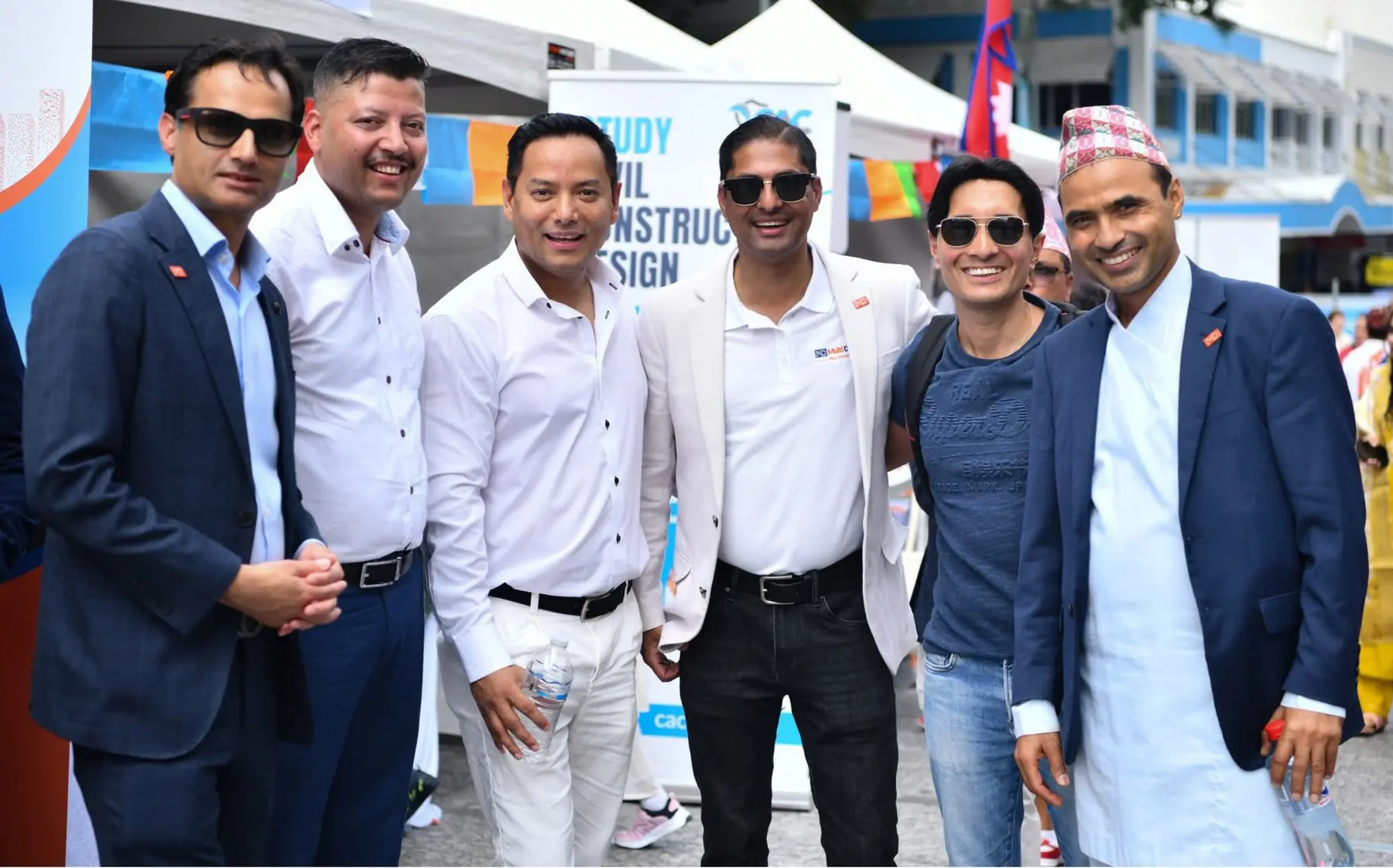
Across the network, offices show up at local and cultural festivals, run stands at community expos, sponsor local causes and teams, support charity initiatives and fundraising, and turn out for each other's office openings.
Some of it is organised centrally. Most of it is not, and that is deliberate.
Local offices choose their own causes
Each office supports the charities and causes that matter in its own area, because the office is far closer to that judgement than a head office could be. A national sponsorship program decided in Parramatta would miss most of what actually matters in Northfield or Fitzgibbon.
The wider network contributes where scale genuinely helps: partnerships, larger events, and the practical support that a single office would struggle to fund on its own.
Why it is not a marketing line
There is a version of this that is purely promotional: a logo on a jersey, a photograph, no further involvement. It is not worth much to anyone, and people can tell.
The version that is worth something is slower and less visible: turning up for the setup and the pack-down, sponsoring the same club for years rather than one season, and being reachable when a local group needs something. It does not photograph as well, and it is the part that people in the area remember.
Why local ownership changes it
A franchise network can approach community involvement two ways. It can run one national program, which is efficient and lands evenly and shallowly everywhere. Or it can push the decision down to the offices, which is messier and produces support that actually fits the place.
Multi Dynamic runs the second. The people making the call are the ones whose children go to the school, who know which club is short of sponsors this season, and who will be at the event whether or not there is a stand. The wider network then backs the things that need more than one office behind them.
It is not a marketing line
There is a version of this that is purely promotional: a logo on a jersey, a photograph for the feed, no further involvement. It is not worth much to anyone, and people in a community can tell the difference immediately.
The version that is worth something is slower and less visible. Turning up for the setup and the pack-down. Sponsoring the same club for six years rather than one season. Being reachable when a local group needs a venue, a printer, or someone to stand at a table for four hours. It photographs badly and it is the part people remember.
What we can usually help with
- Sponsorship of local clubs, teams and community events
- A stand or a presence at community expos and festivals
- Venue and practical support for local groups, where an office has the space
- Support for charity initiatives and fundraising, decided office by office
Getting in touch
If you run a local event, fundraiser or community group and think there is a fit with the office near you, contact that office directly rather than head office. The contact details for all seven are on our offices page.
It is worth saying what you actually need rather than asking for sponsorship in the abstract; the specific ask is much easier to say yes to. And the people who answer are the ones who would be there on the day, which is the point.