This year's Budget reshapes the tax treatment of property investment rather than discouraging it. Read across every measure and the direction is consistent: move investor demand toward new housing supply, and use the tax system to do it.
None of it lands immediately. The two changes that matter most to investors start on 1 July 2027, which gives the market more than a year to position. Here is the order they arrive in.
- 1 July 2026
The first round of personal income tax cuts begins, improving household cash flow and, at the margin, borrowing capacity.
- 1 July 2027
Full negative gearing benefits narrow to new builds. The 50% capital gains discount moves to an inflation-based system with a minimum 30% tax on gains. A second round of tax cuts begins.
- 2027-28
The $250 Working Australians Tax Offset and the $1,000 instant tax deduction take effect.
- 1 July 2028
Many discretionary trusts face a minimum 30% tax rate, aimed at aggressive income splitting.
- Mid-2029
The ban on foreign buyers purchasing established homes, now extended, is due to end.
Negative gearing
From 1 July 2027, full negative gearing benefits apply mainly to new builds. Investors who buy an established home after Budget night can still deduct losses against property income and carry forward unused losses, but not directly against their wages, which is where the benefit has historically been felt.
Investors already holding established stock are grandfathered under the current rules. That distinction matters: it removes the incentive to sell in a hurry, which is part of why the change is unlikely to produce a wave of investor listings.
Capital gains tax
The 50% CGT discount moves to an inflation-based system with a minimum 30% tax on gains. New construction can still choose the 50% discount under the new rules, which is a meaningful difference in after-tax return between two otherwise similar properties.
Set the two side by side and the intent is obvious.
| Established home | New build | |
|---|---|---|
| Negative gearing from 1 July 2027 | Losses deductible against property income only | Full benefits retained |
| Capital gains from 1 July 2027 | Inflation-indexed, minimum 30% tax on gains | 50% discount still available |
| Depreciation | Limited on second-hand plant and equipment | Full schedule on building and fittings |
| Existing holdings | Grandfathered under current rules | n/a |
Trusts
From 1 July 2028, many discretionary trusts face a minimum 30% tax rate, with some exceptions. The stated aim is to reduce aggressive income splitting. If you hold property through a family trust, this is the measure to take advice on, and there is time to do it properly.
Where the demand goes
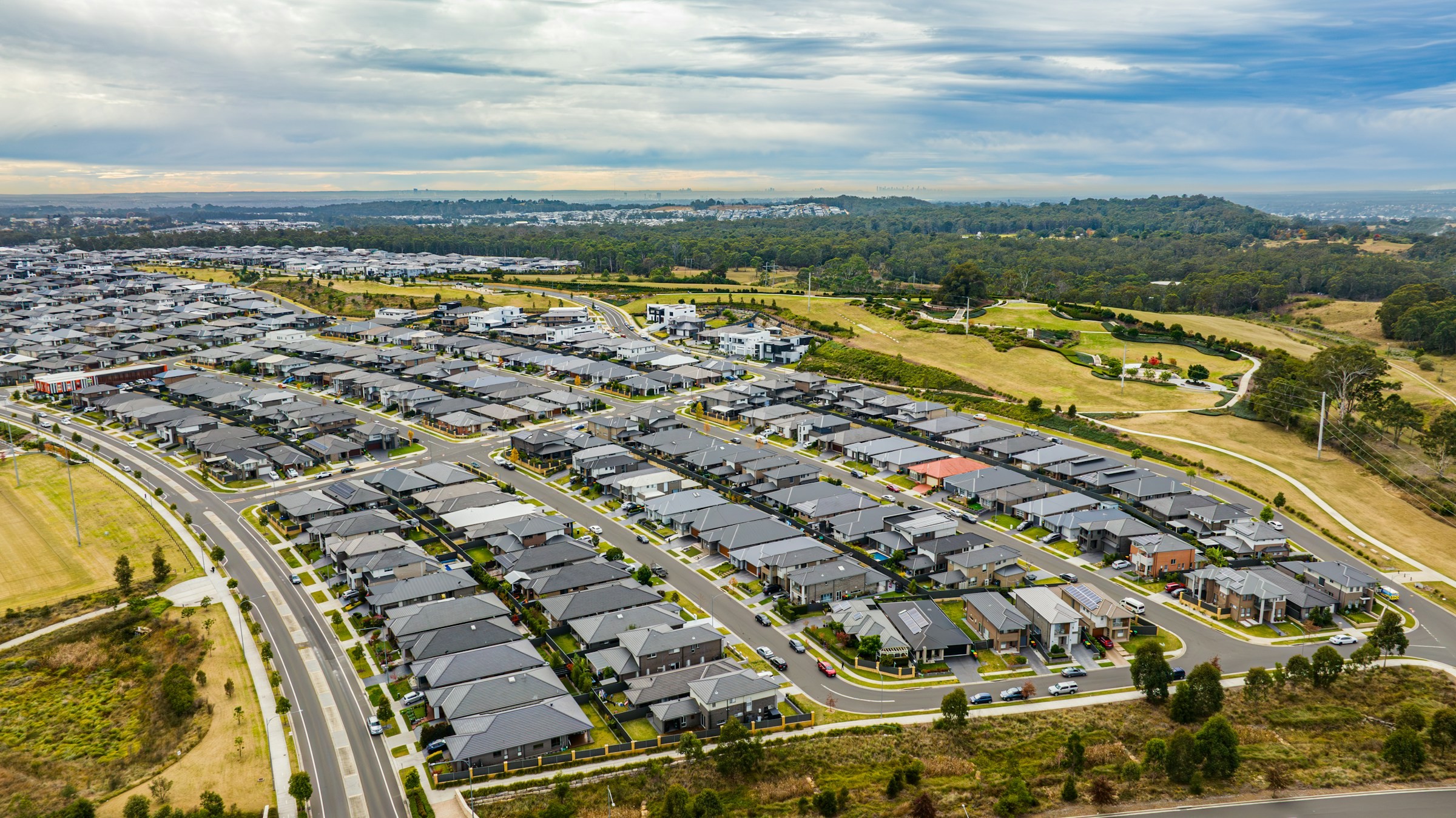
Concessions move money. With the benefits pointing at new construction, demand should follow into new homes, land, duplexes, townhouses and project stock. South West Sydney's growth corridors (Leppington, Austral, Oran Park, Edmondson Park, Campbelltown and Macarthur) have the land supply, the new estates and the committed infrastructure to absorb it, and the Budget includes housing infrastructure support intended to make more land ready for building.
Established homes may hold up regardless, for reasons that have nothing to do with tax. Land and construction costs are still rising, which puts a floor under what a new build can be sold for. First-home buyers looking for affordability will keep competing for existing stock. And the ban on foreign buyers purchasing established homes now runs to mid-2029, which leaves that competition to local buyers.
What could go the other way
- Some investors will pause while they take advice, which can thin buyer depth in the short term.
- Resale activity may soften if investors prefer new builds over established stock.
- Higher construction costs can stretch project timelines and squeeze the margin the tax treatment creates.
- Rental supply may stay tight through the transition, which puts upward pressure on rents.
The short version: this Budget is not anti-property, it is pro-supply. The opportunities move rather than disappear, moving toward land, new construction, dual-income properties and project stock, while established homes stay attractive to the buyers who were always going to want them.
General information only, prepared for client education. Speak to your accountant or financial adviser before acting on any of it.