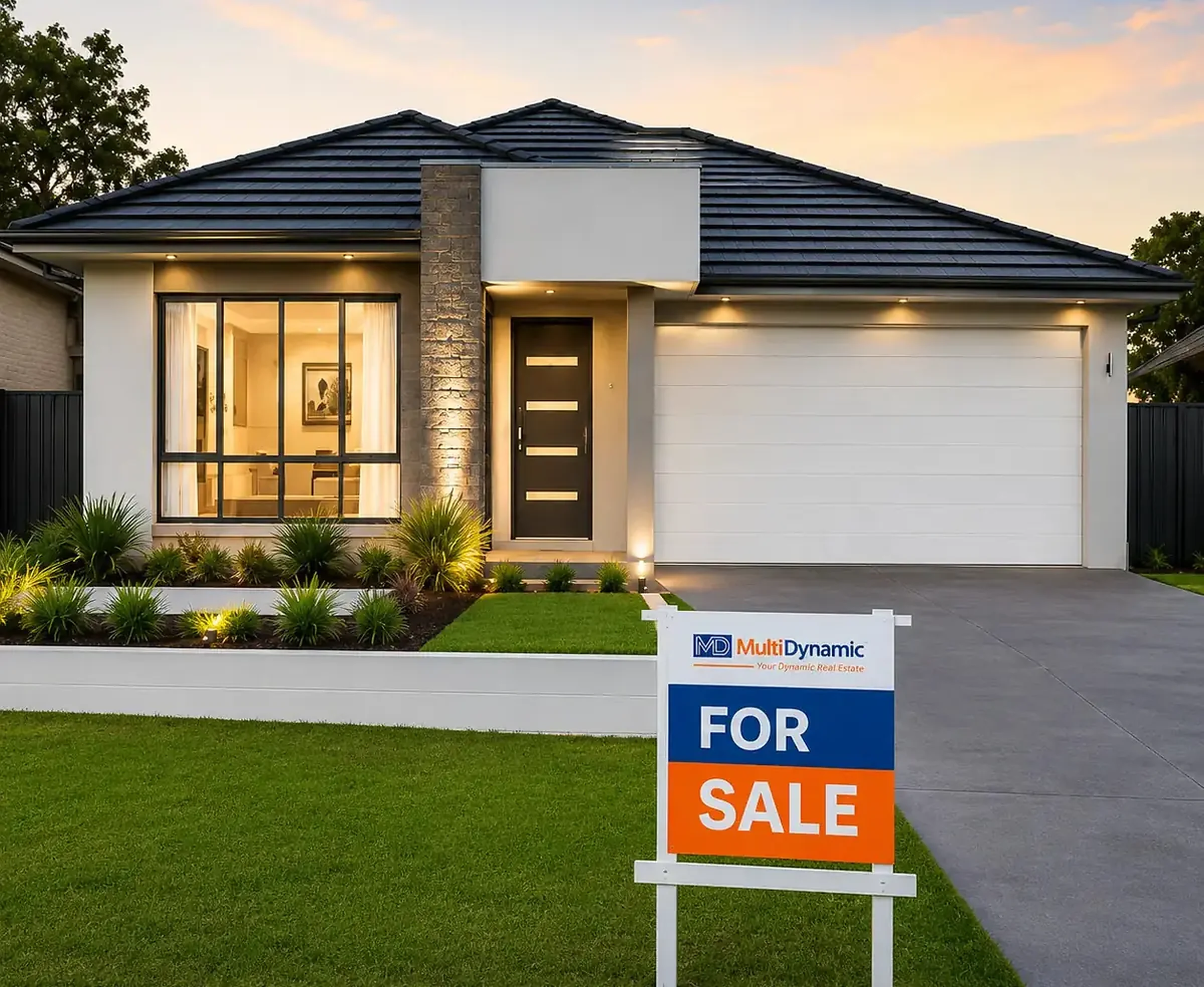
Buying and selling in the same market is one transaction with two halves. Almost all of the stress people report comes from doing the halves in the wrong order, or from starting the second before the first has produced a number.
Establish your number before you look at anything
Before the first inspection, get two figures. A market appraisal on what you own, and a pre-approval on what you can borrow. Together they set your real budget, and it is genuinely a different number from the one most people carry in their head, because it has to absorb the costs that sit around the transaction.
- Stamp duty, which is the largest of them and varies by state and by whether you are a first-home buyer
- Legal or conveyancing fees on both the sale and the purchase
- Building and pest inspections on anything you are serious about
- The agent's commission and marketing on the sale
- Removalists, connections, and the gap between settlements if there is one
A pre-approval is worth getting even if you are confident, because it tells you what a lender will actually lend rather than what a calculator suggests.
Then decide which comes first
This is the decision the whole move turns on, and there is no universal right answer.
| Sell first | Buy first | |
|---|---|---|
| What you gain | A known figure and a strong negotiating position | You never miss the right property while waiting |
| What you risk | Possibly needing somewhere to live in between | Bridging finance, and selling to a deadline |
| Suits | A deep buyer pool for your property type | Tightly held stock you may wait months to see again |
Which side you land on depends on how deep the buyer pool is for what you own right now, a question your local agent can answer with recent comparable sales rather than with a general rule. If similar homes in your suburb are selling in three weeks, selling first carries much less risk than it does where they sit for three months.
Prepare the sale properly
The preparation that pays is unglamorous: the small repairs that have been on the list for two years, a genuine declutter, and a clean that goes further than you would for guests. Styling is worth costing rather than assuming. Your agent can tell you whether it returns its cost on your property type, and sometimes it does not.
Price it against evidence, not hope. Comparable sales from the last few months in your immediate area are what buyers and their valuers will be working from, and a price set above them buys you a quiet first fortnight you cannot get back.
Line up the settlement dates
Once both contracts are live, matching settlement dates is the single thing that saves the most money and the most stress. Same-day settlement avoids bridging finance and a second move; a gap means storage, temporary accommodation, or both.
Your conveyancer or solicitor should be involved before you sign anything, not after. Contract terms (the deposit, the cooling-off period, the finance and inspection conditions, the settlement date itself) are negotiable, and they are much easier to negotiate before a signature than to unwind afterwards.
The short version
- Appraisal and pre-approval
Two numbers, before anything else.
- Decide the order
Sell first or buy first, based on buyer depth for your property type.
- Prepare and price the sale
Repairs, declutter, comparable evidence.
- Run both processes with one adviser
The same conveyancer on each side keeps the dates aligned.
- Match the settlements
The step that removes the most cost and the most stress.